
Liquid Metal
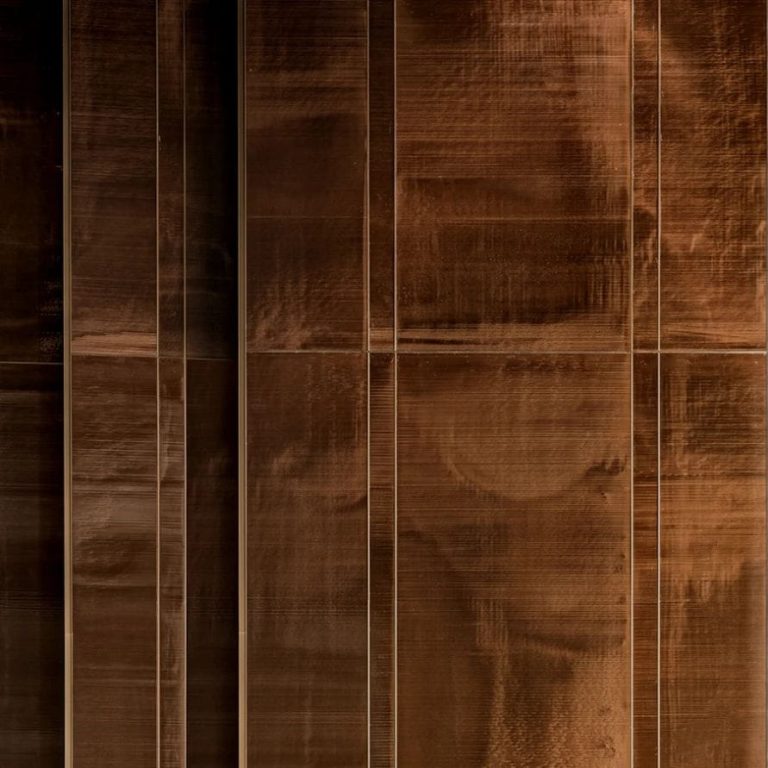
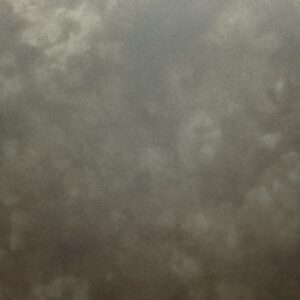
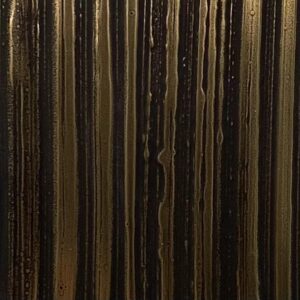
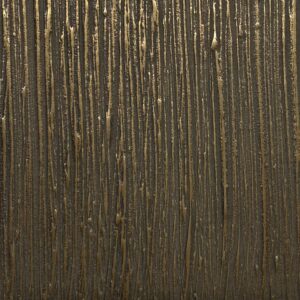
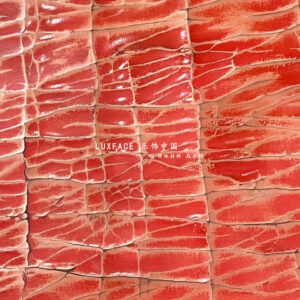
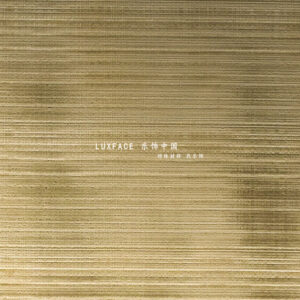
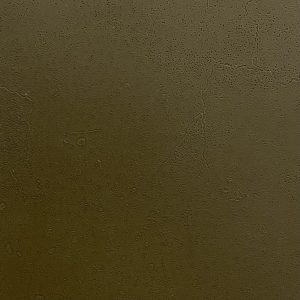
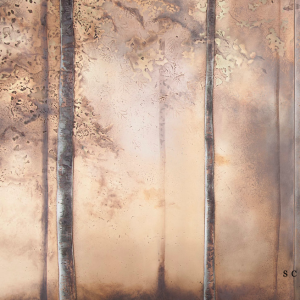
The special metal surfaces Liquid Metal Coating is a spray-applied liquid metal that can be bonded onto most base materials of varying sizes and shapes, including three-dimensional forms. This innovative liquid metal coating technique uses real metals, allowing the surface to be treated as solid metal. Once applied, the surface can be polished, textured, and aged with patinas like any solid metal, creating high-gloss liquid metal surfaces.
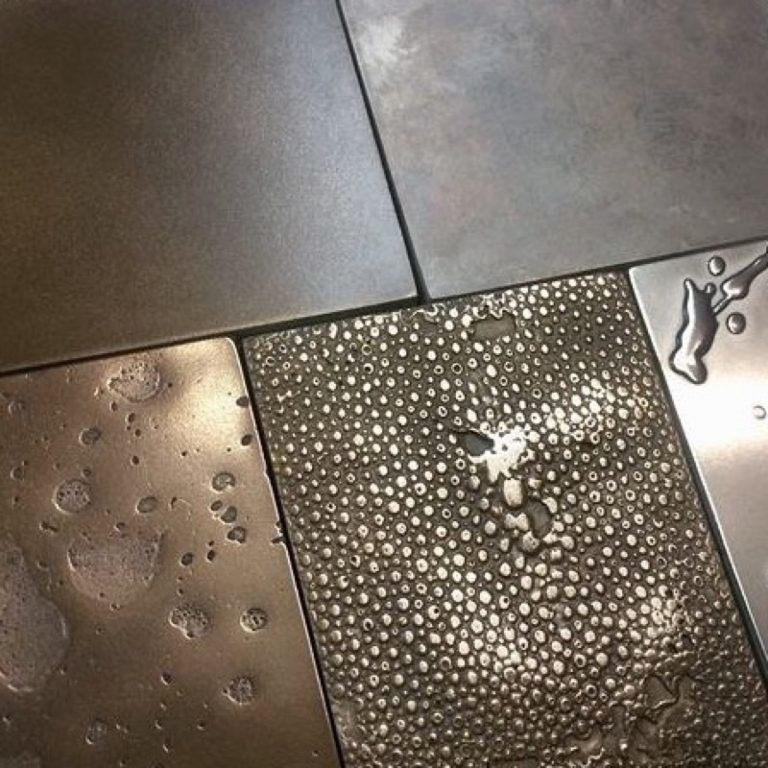
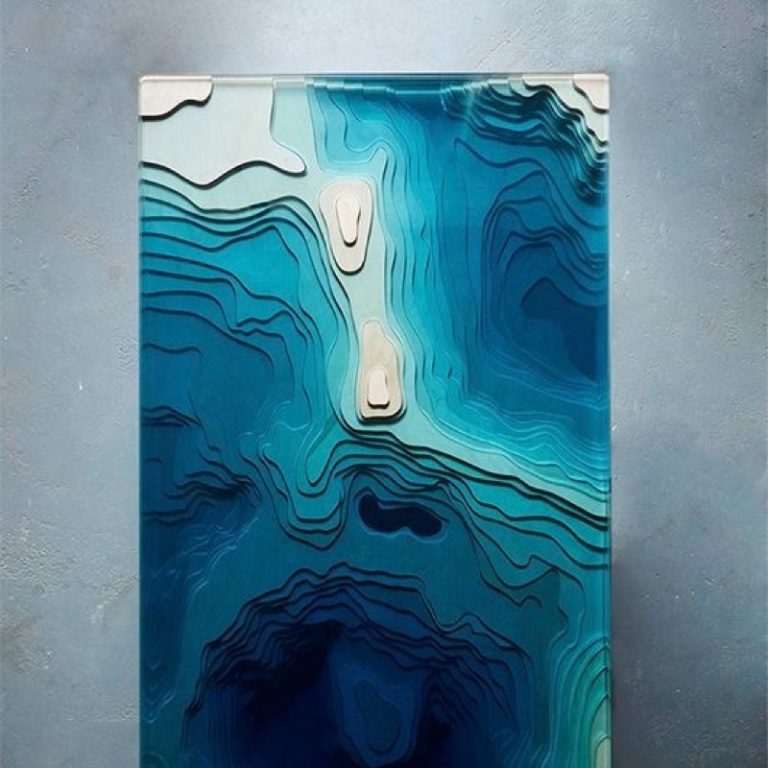
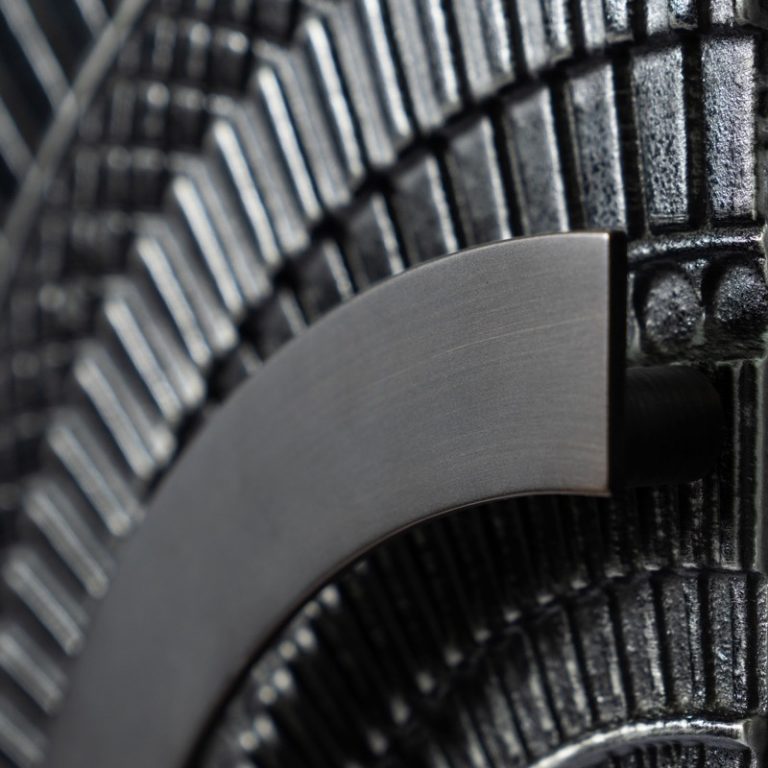
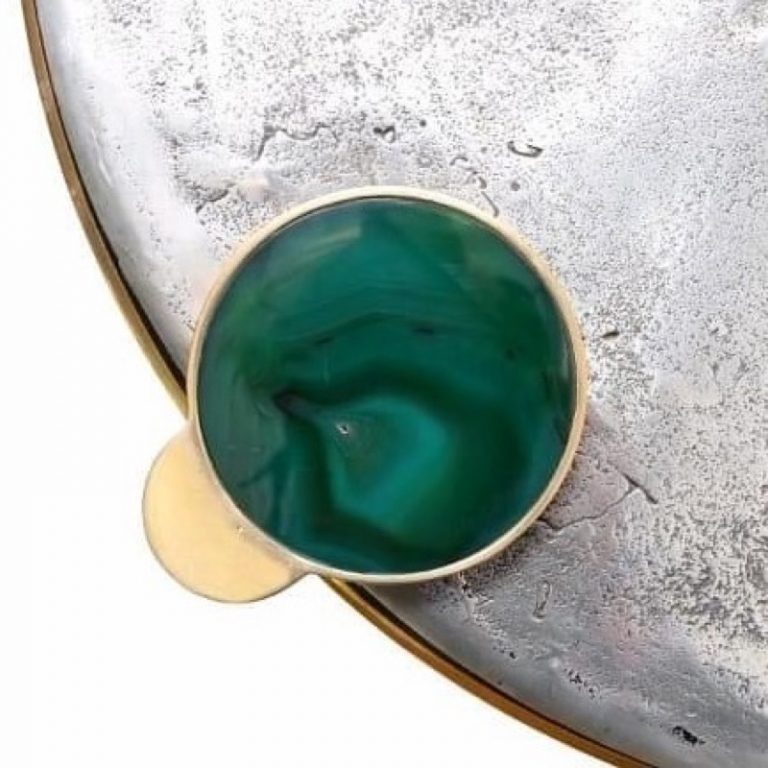
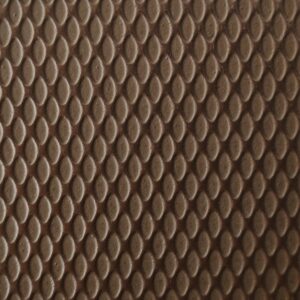
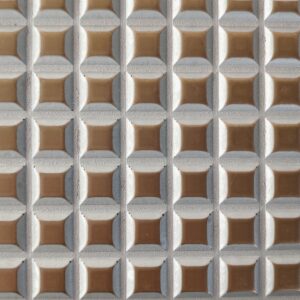
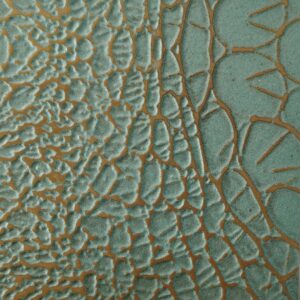
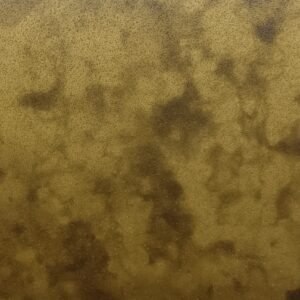
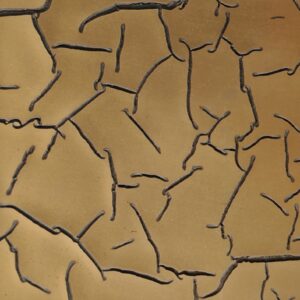
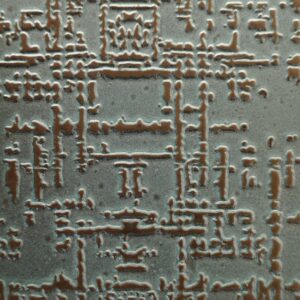
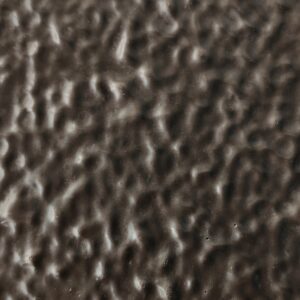
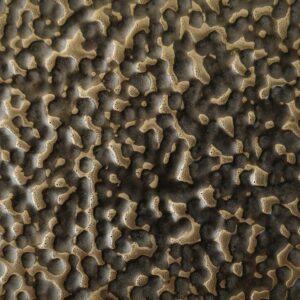
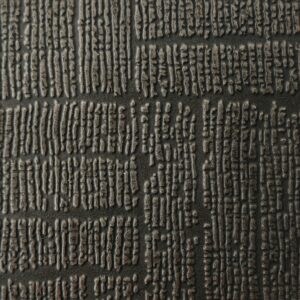
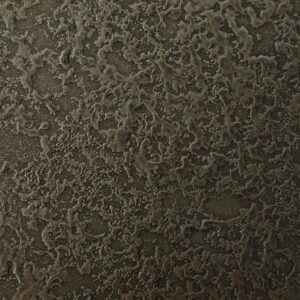
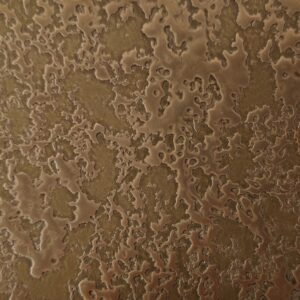
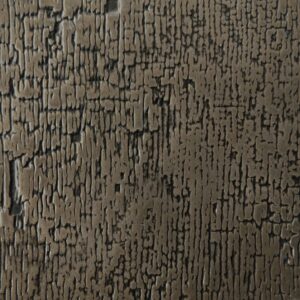
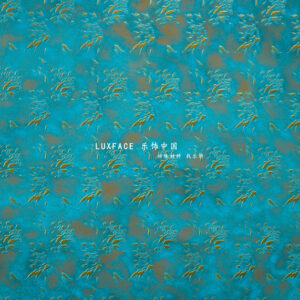
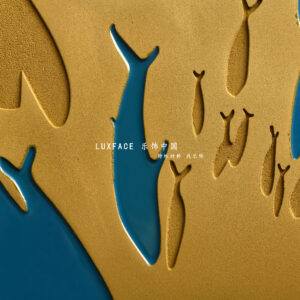
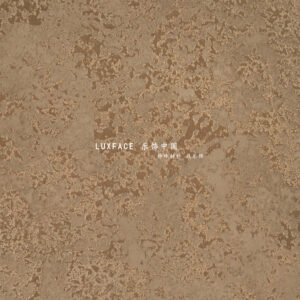
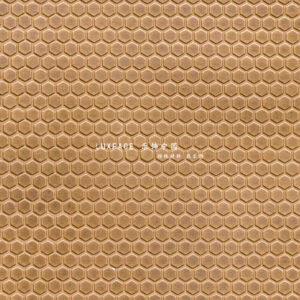
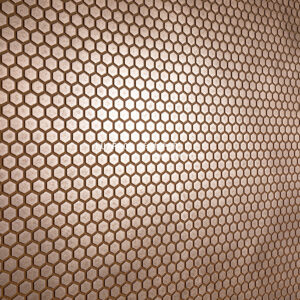
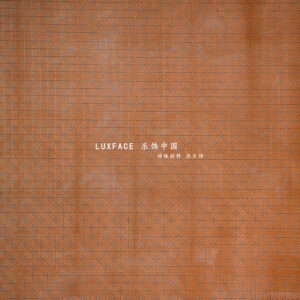
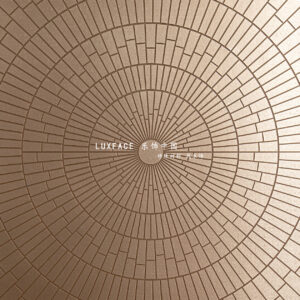
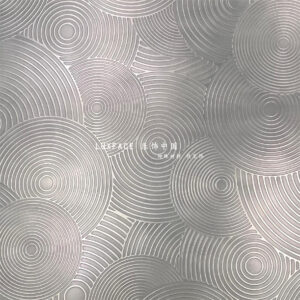
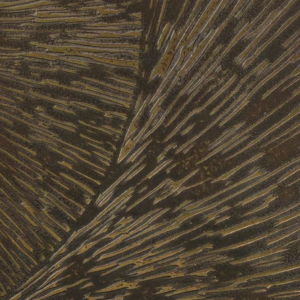
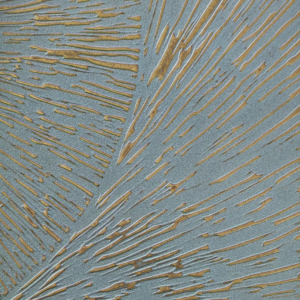
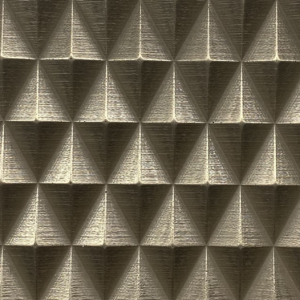
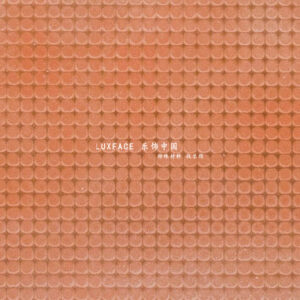
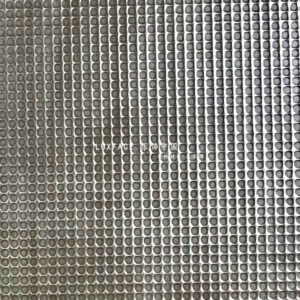
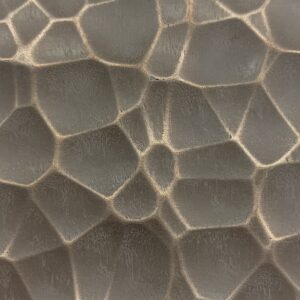
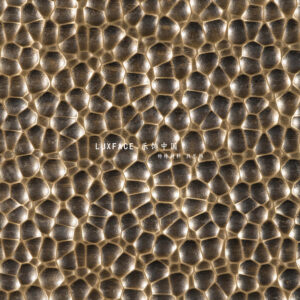
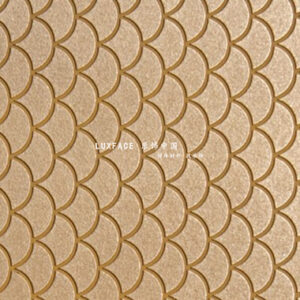
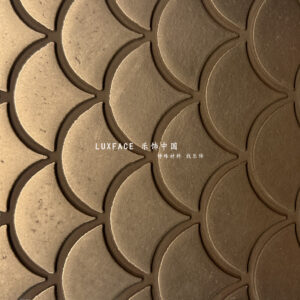
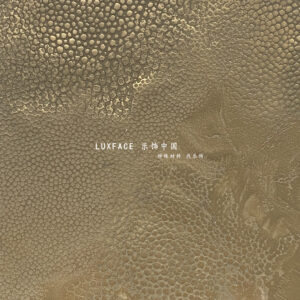
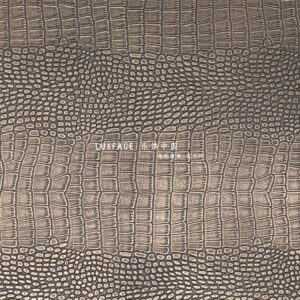
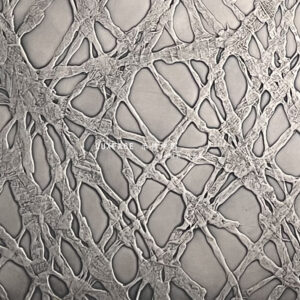
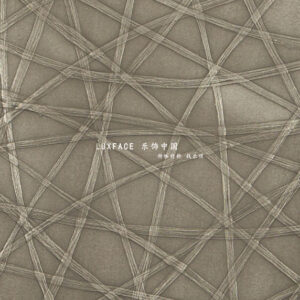
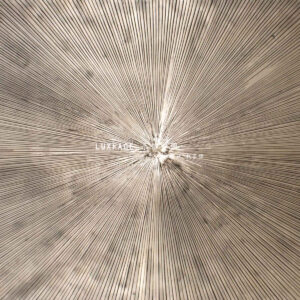
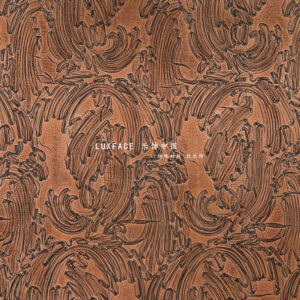
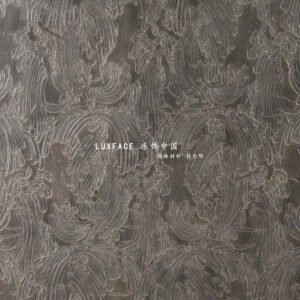
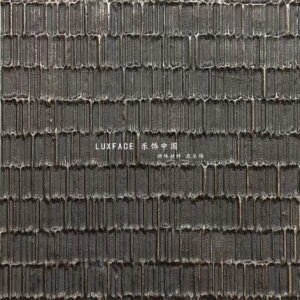
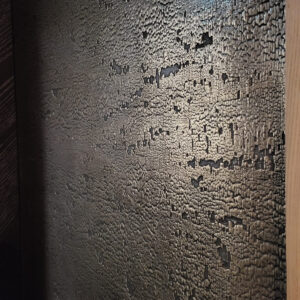
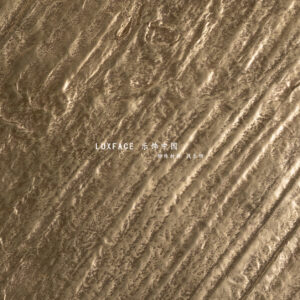
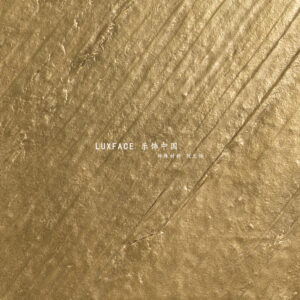
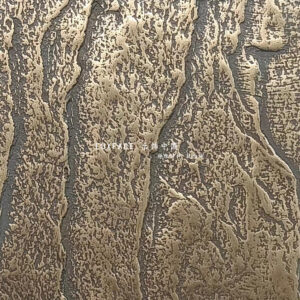
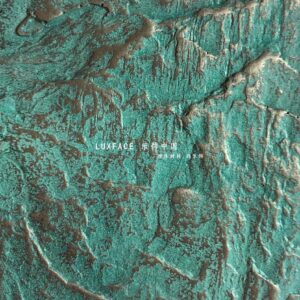
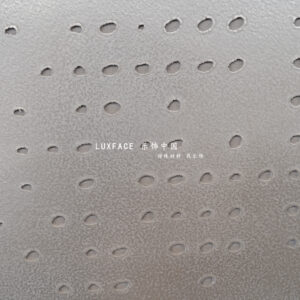
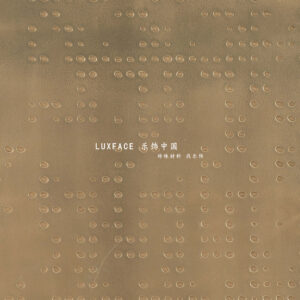
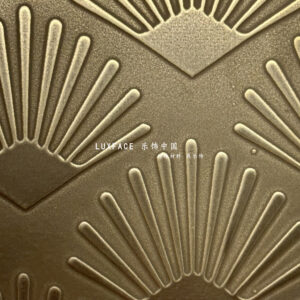
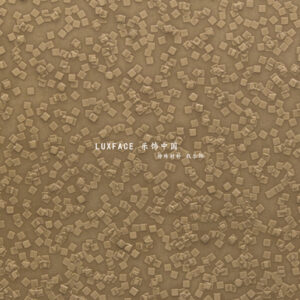
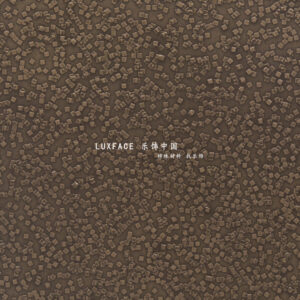
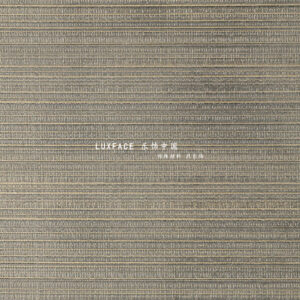
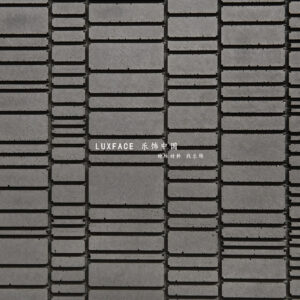
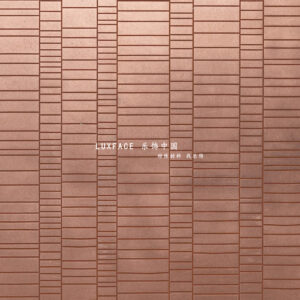
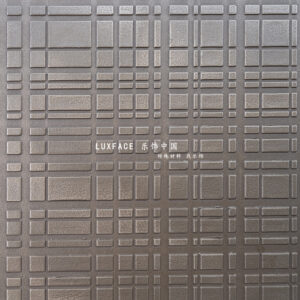
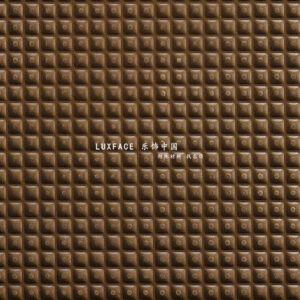
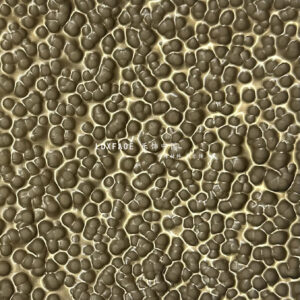
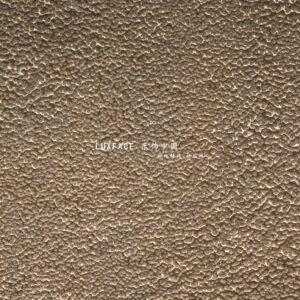
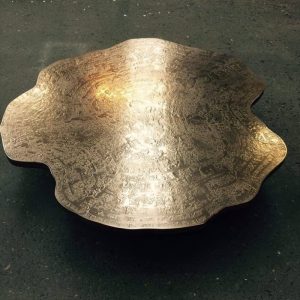
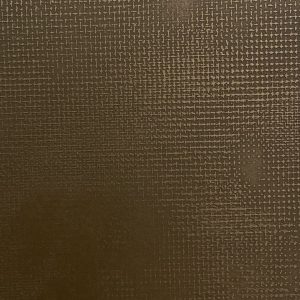
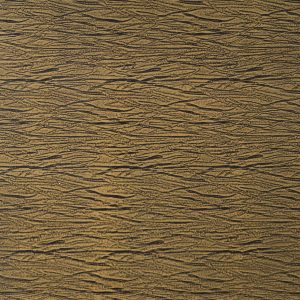
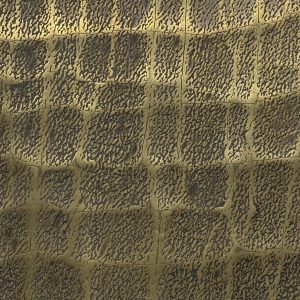
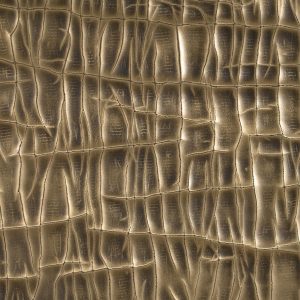
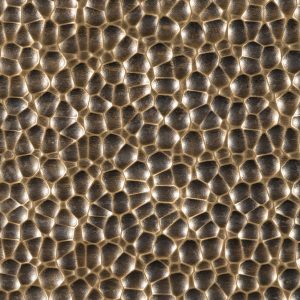
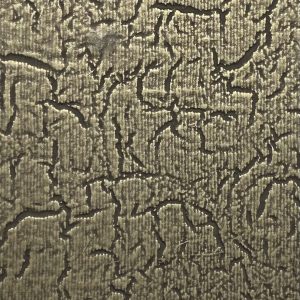
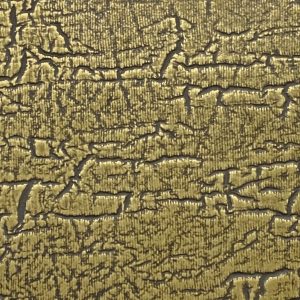
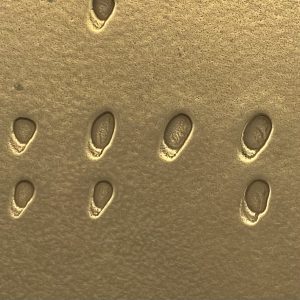
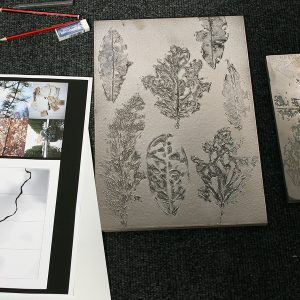
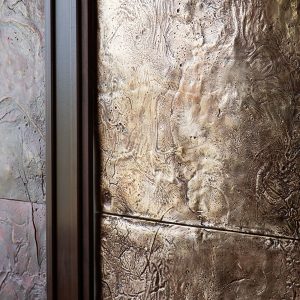
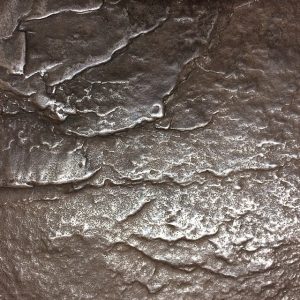
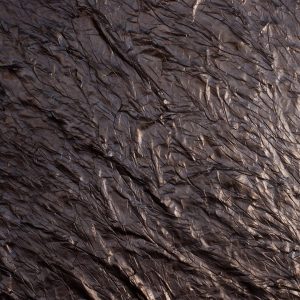
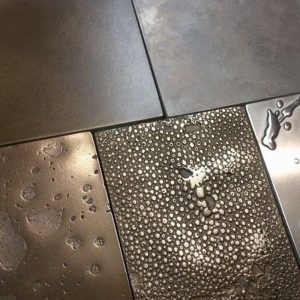
Any texture on the surface of the substrate will read as the metal surface once coated. This can be used for dramatic effect and explored through our use of 3D printing to build custom embossed surface patterns. Specialty techniques in the spray application process can also be used to create a genuine cast metal surface design, which, when combined with an aged patina, creates true cast metal surfaces. These artistic liquid metal paint applications result in unique metal veneer finishes for luxury interiors.
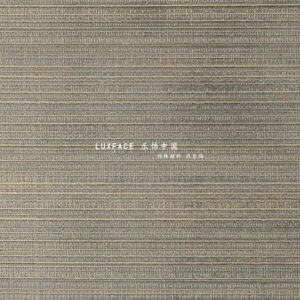
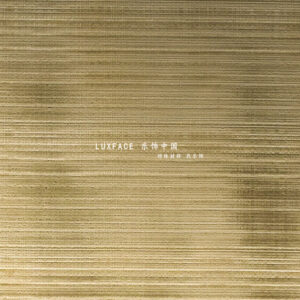
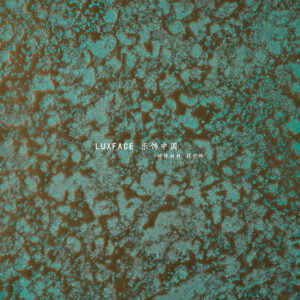
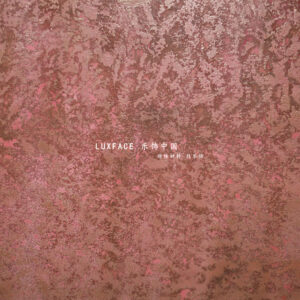
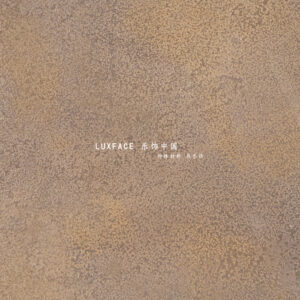
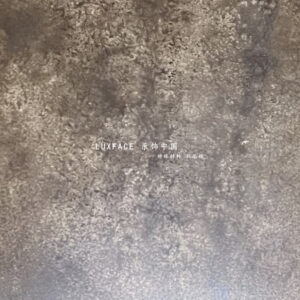
This innovative approach to producing metal coating surfaces allows endlessly customized and truly unique finished products. Metals in the range include aluminum, brass, golden brass, copper, patina copper, bronze, gold bronze, nickel, gold nickel, silver nickel, zinc, pewter, stainless steel, and iron.
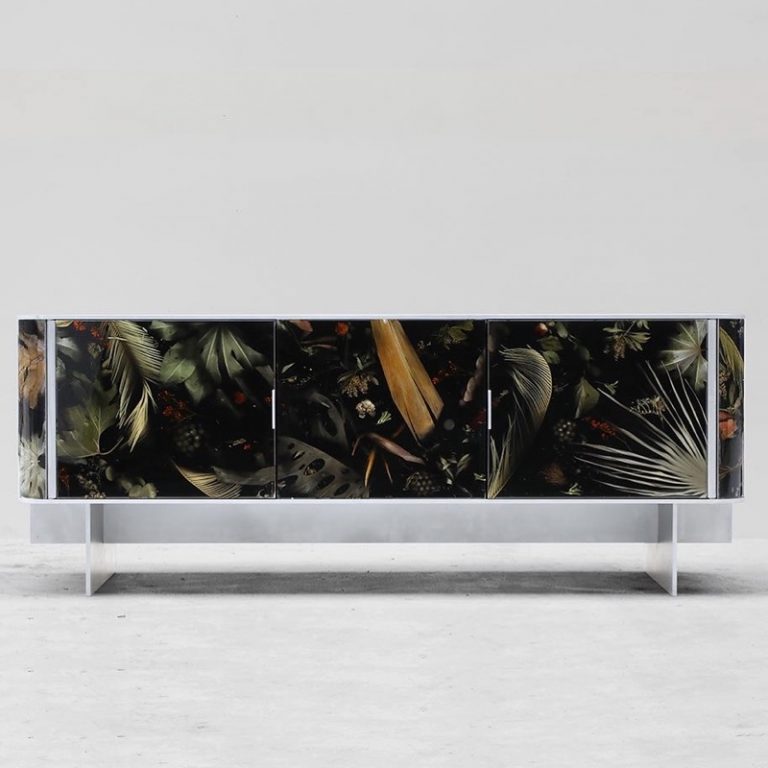
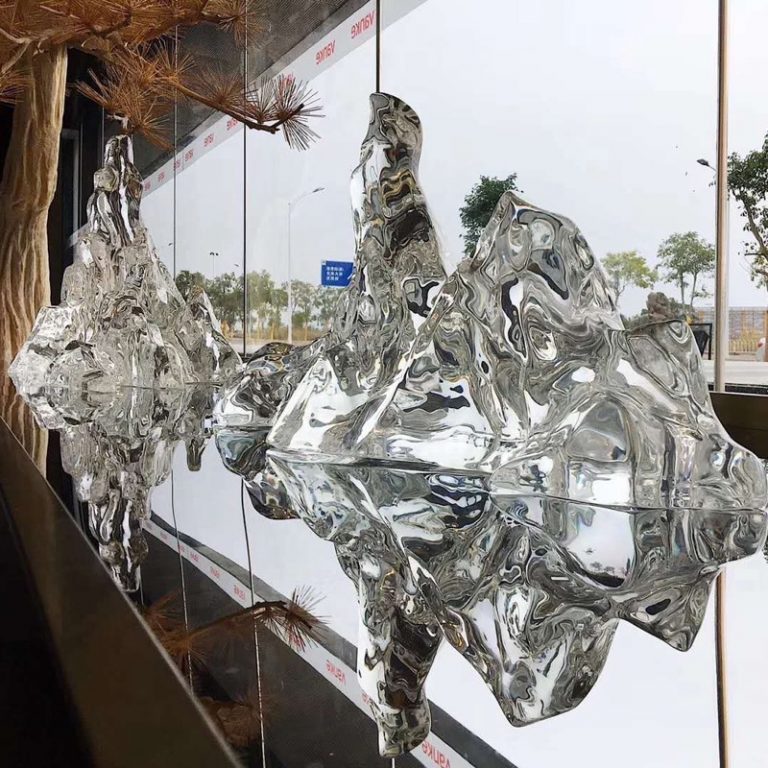
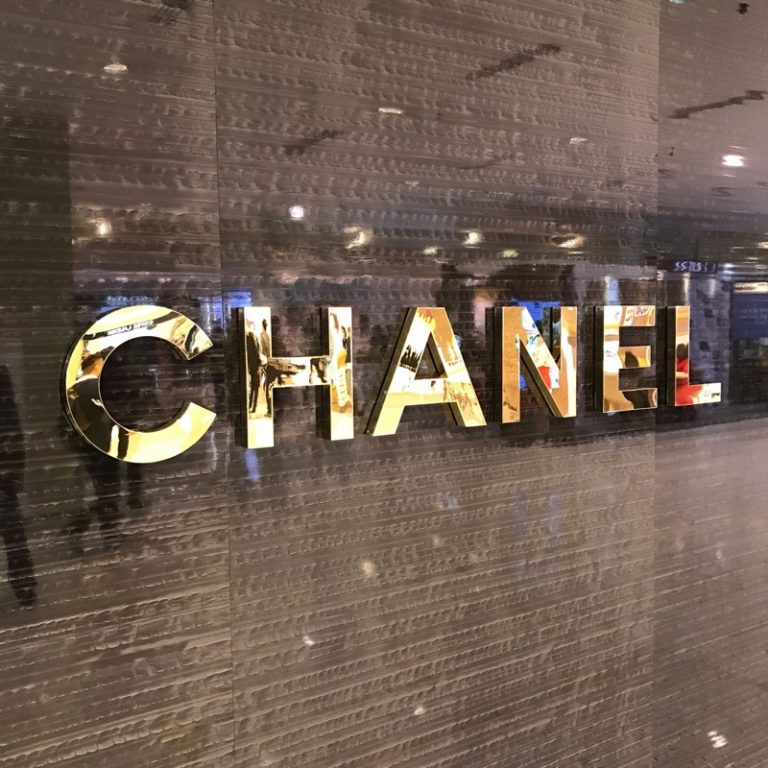
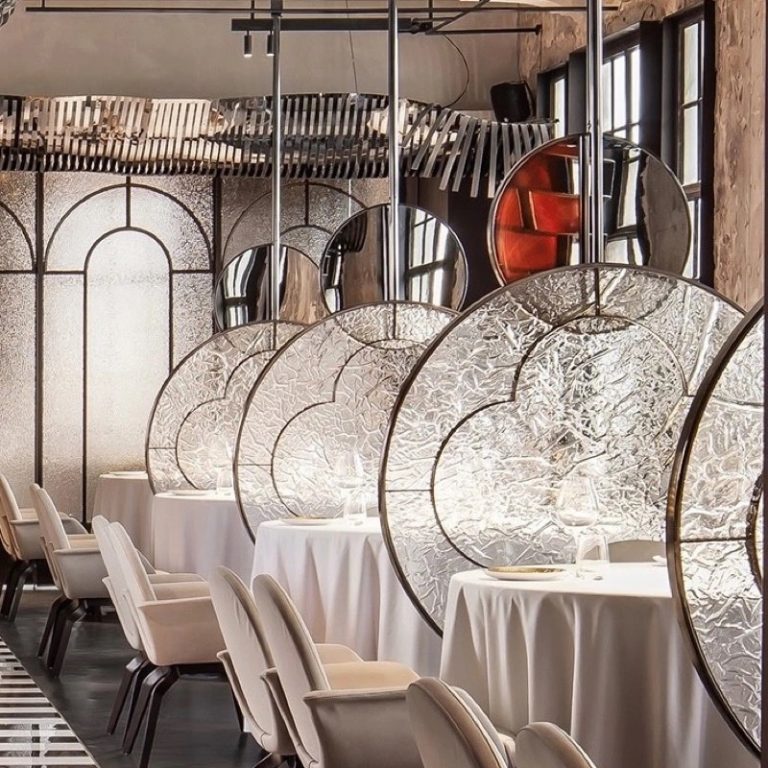
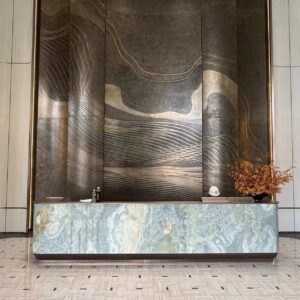
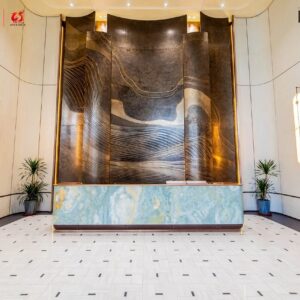
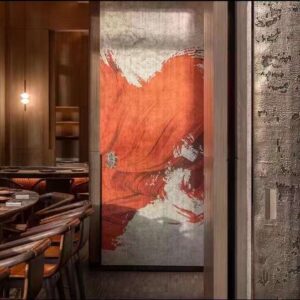
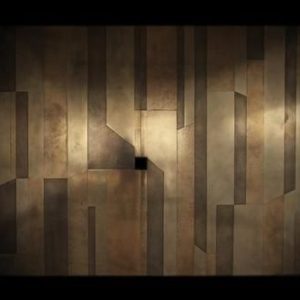
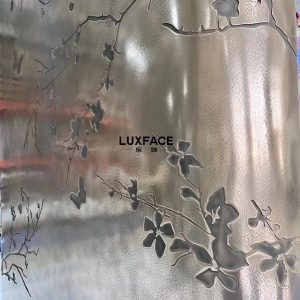
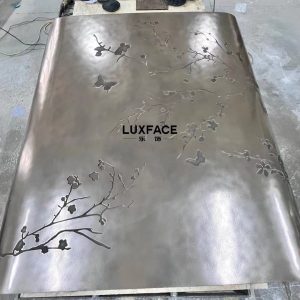
Uses of applied metal finishes can include internal and external applications such as doors, feature walls, counters, kitchens, screens, facades, signage, lighting, sculpture, artwork, and more. Luxmetal’s metal coating process enables a seamless finish, even across fixed adjoining or laminated panels, thus offering greater flexibility to create a real metal surface finish when compared to the sheet metal substrate.
Explore our Liquid Metal products for luxury wall décor, artistic surfaces, and custom metal finishes. Our liquid metal surface finishes provide a versatile and durable solution for both residential and commercial spaces, ensuring your project stands out with premium luxury wallcovering options.
How Liquid Metal Is Applied
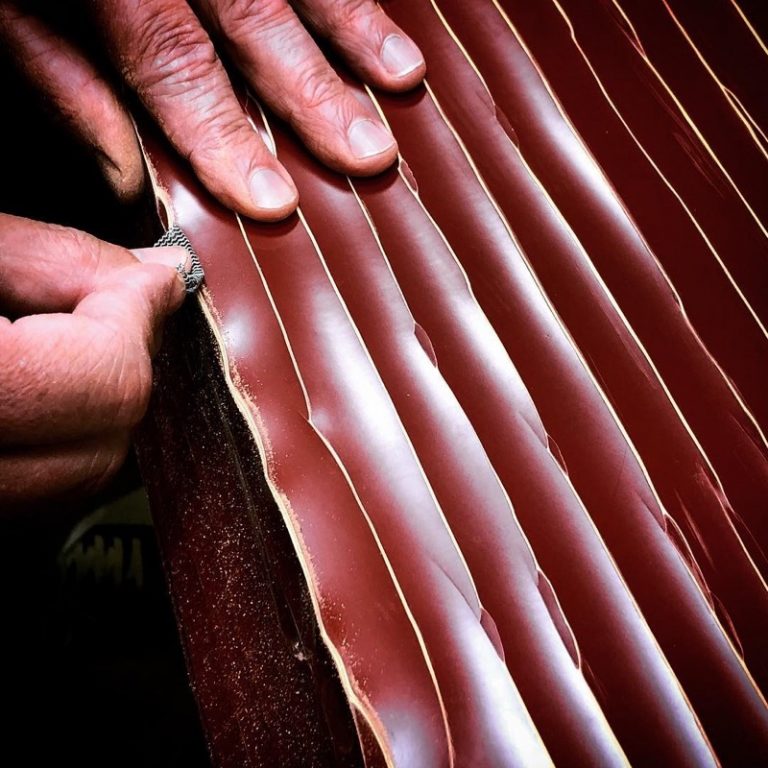
Liquid metal is delivered as a spray-applied coating rather than as sheet. Metal is applied to the substrate in successive layers until the surface carries enough material to be worked as though it were solid metal. Because the coating follows the base material, it can be bonded onto most substrates of varying sizes and shapes, including three-dimensional forms. That is what allows a moulded panel, a turned baluster or a curved reception desk to carry the same finish as a flat wall panel, without the fabrication limits of rolled sheet.
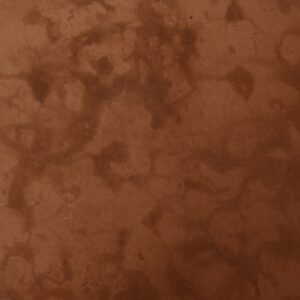
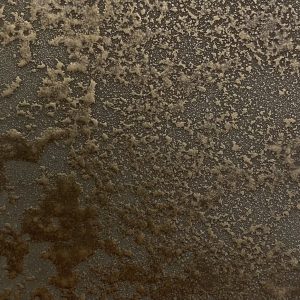
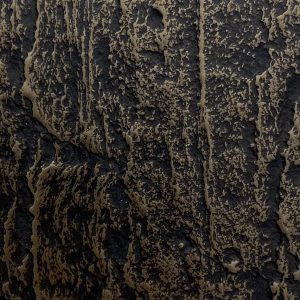
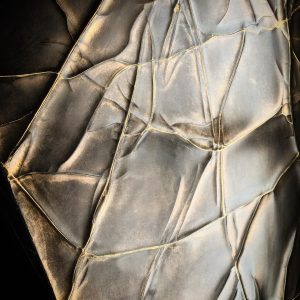
Once the coating has been built up, the surface can be polished, textured and aged with patinas in the same way as solid metal. Any texture on the surface of the substrate will read through as the metal surface once coated, so a relief pattern routed or printed into the base material becomes part of the finished design. We use 3D printing to build custom embossed surface patterns for exactly this purpose, and specialty techniques in the spray application process can produce a genuine cast metal surface design which, when combined with an aged patina, creates true cast metal surfaces.
Metals and Finishes in the Range
Metals in the range include aluminium, brass, golden brass, copper, patina copper, bronze, gold bronze, nickel, gold nickel, silver nickel, zinc, pewter, stainless steel and iron. Each can be taken to a high gloss, a satin sheen or an aged patina, so a single scheme can move from a bright contemporary surface to a weathered one without changing material. Because the finish is applied rather than rolled, samples are produced by the same process as the final panels, which keeps colour and texture consistent between the approved sample and the delivered work.
Where Liquid Metal Finishes Are Used
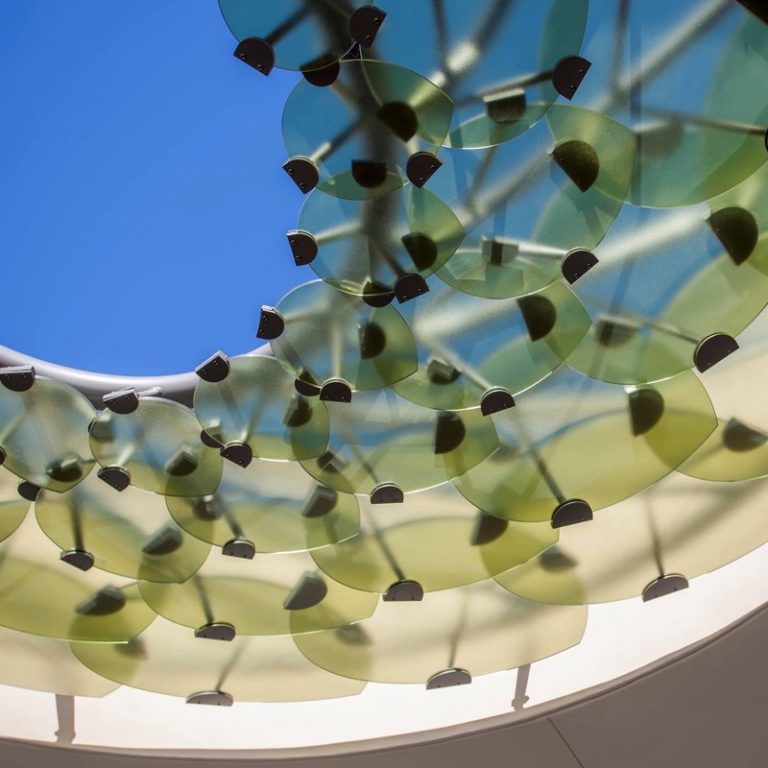
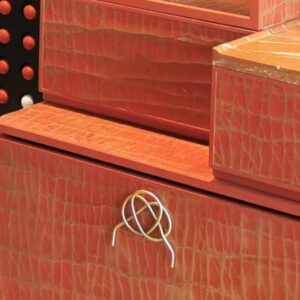
Applied metal finishes are used both internally and externally. Typical applications include doors, feature walls, counters, kitchens, screens, facades, signage, lighting, sculpture and artwork. Interior designers specify the coating where a real metal surface is wanted without the weight of solid metal; architects use it for facades and signage where one finish has to continue across a jointed assembly.
A practical advantage of the process is that it enables a seamless finish even across fixed adjoining or laminated panels. Where sheet metal would introduce a visible joint, the coating can be carried across it, giving more freedom to design a continuous metal surface. This is particularly useful on long wall runs, flush door faces and wrapped columns, and it allows the finish to be continued over substrates that would be impractical to clad in sheet.
From Drawings to Installation
Projects begin with drawings or artwork, which we work from in Photoshop, Illustrator, .JPG, .TIFF and most image formats. Bespoke samples are produced so the metal, sheen and patina can be reviewed under the lighting conditions the finished piece will actually be seen in. After approval, panels are coated, engineered for how they will be fixed and lit, and delivered with fabrication, forming, lighting, hardware and installation support. Our background in design, engineering and manufacturing is what allows complex shapes and tight details to be produced repeatably.
Frequently Asked Questions
What is liquid metal coating?
Liquid metal coating is a spray-applied liquid metal that is bonded onto a base material rather than supplied as sheet. It can be applied to most base materials of varying sizes and shapes, including three-dimensional forms, and once built up the surface is treated as though it were solid metal.
Which metals can be specified?
Metals in the range include aluminium, brass, golden brass, copper, patina copper, bronze, gold bronze, nickel, gold nickel, silver nickel, zinc, pewter, stainless steel and iron. Each can be finished to a high gloss, a satin sheen or an aged patina.
Can liquid metal be applied to curved or three-dimensional surfaces?
Yes. Because the coating follows the substrate, it can be applied to most base materials of varying sizes and shapes, including three-dimensional forms. Any texture on the surface of the substrate will read through as the metal surface once coated, and we use 3D printing to build custom embossed surface patterns.
Can the finish be polished, textured or aged?
Yes. Once applied, the surface can be polished, textured and aged with patinas like any solid metal. Specialty techniques in the spray application process can also produce a genuine cast metal surface design which, combined with an aged patina, reads as true cast metal.
Are seamless finishes possible across panel joints?
Yes. The coating process enables a seamless finish even across fixed adjoining or laminated panels, which gives greater flexibility than a sheet metal substrate when a continuous real metal surface is required.
Liquid Metal
Liquid Metal
Liquid Metal
Liquid Metal
Liquid Metal
Liquid Metal
Liquid Metal
Liquid Metal
Liquid Metal
Liquid Metal
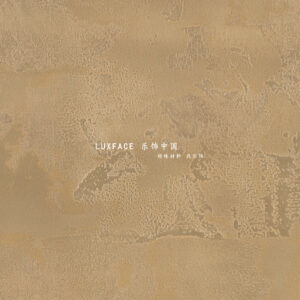
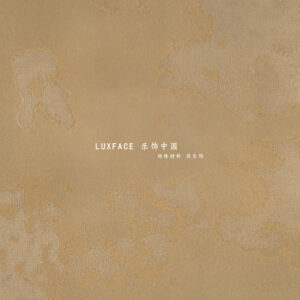
Liquid Metal

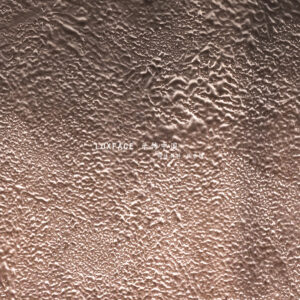
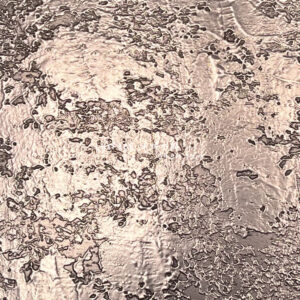
Liquid Metal
Liquid Metal
Liquid Metal

Liquid Metal
Liquid Metal
Liquid Metal
Liquid Metal

Liquid Metal
Liquid Metal
Liquid Metal
Liquid Metal
Liquid Metal
Liquid Metal
Liquid Metal
Liquid Metal
Liquid Metal
Liquid Metal
Liquid Metal
Liquid Metal
Liquid Metal
Liquid Metal
Liquid Metal
Liquid Metal
Liquid Metal
Liquid Metal
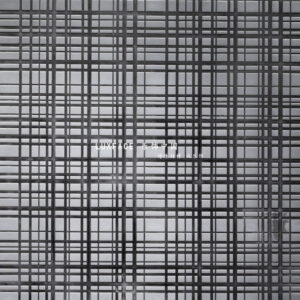
Liquid Metal
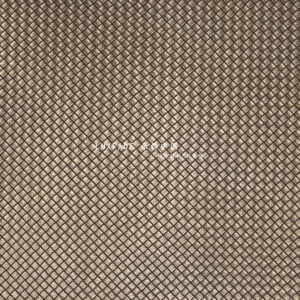
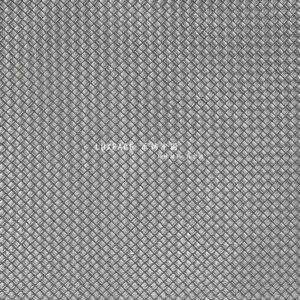
Liquid Metal
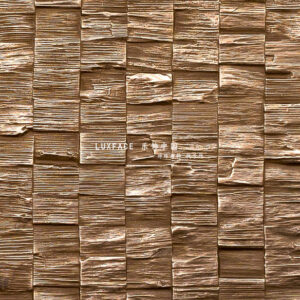
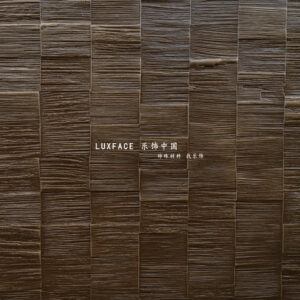
Liquid Metal
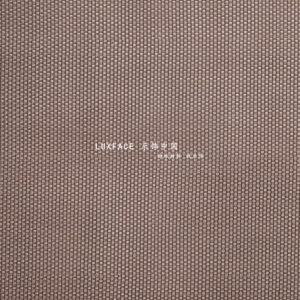
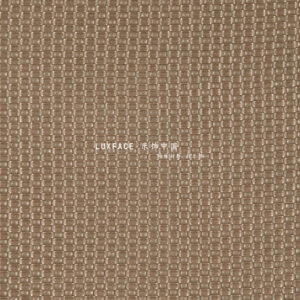
Liquid Metal
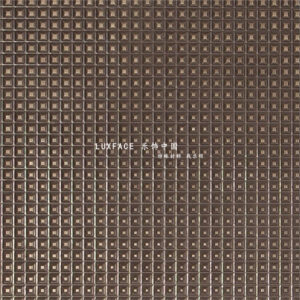
Liquid Metal
Liquid Metal
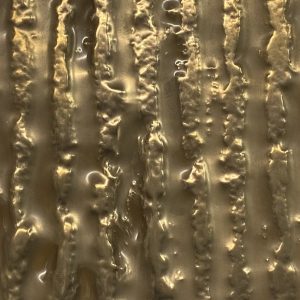
Liquid Metal
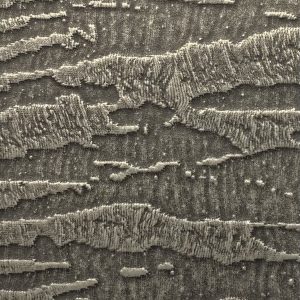
Liquid Metal
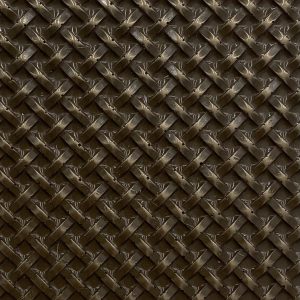
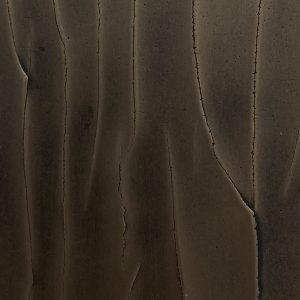
Liquid Metal
Liquid Metal
Liquid Metal
Liquid Metal
Liquid Metal

Liquid Metal
Liquid Metal
Liquid Metal
Liquid Metal
Liquid Metal
Liquid Metal
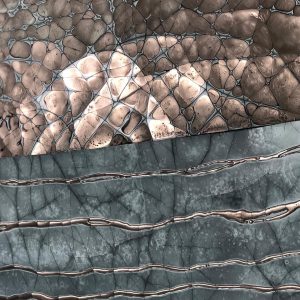
Liquid Metal
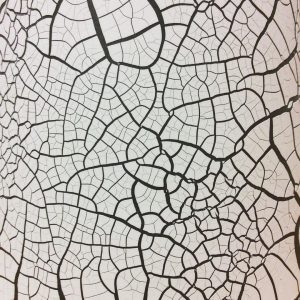
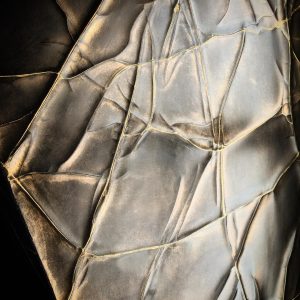
Liquid Metal
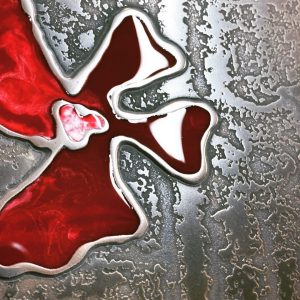

Liquid Metal
Liquid Metal
Liquid Metal
Liquid Metal